Pharmaceutical Regulation, Compliance & Policy, Part 1: The Evolving Regulatory Landscape of Rare Diseases – FDA Watch
In this first part of our series in collaboration with Hyman, Phelps & McNamara, P.C. (HPM), Wayne chats with James Valentine, Director at HPM; Frank Sasinowski, Director at HPM; Louise Himmelstrup, Vice President of Regulatory Affairs at Zevra Therapeutics; and Kate McCurdy, Co-Founder and Board Chair of the Barth Syndrome Foundation. Together, they discuss the current status of orphan drug approvals at FDA; why confirmatory evidence is particularly important in rare disease development programs, how confirmatory evidence is being and has been applied, and how confirmatory evidence is evolving; new ways in which sponsors and FDA are engaging with accelerated approvals through greater use of intermediate clinical endpoints; ultra-rare disease pathways, including FDA’s new Rare Disease Evidence Principles, and why diseases like Barth syndrome and Niemann-Pick disease type C face such challenges with the agency; and much more.
This episode and the rest of our series do not include the usual Headlines and Resources Links segments.
About Our Guests
James Valentine

James Valentine assists medical product industry and patient advocacy organization clients in a wide range of regulatory matters relating to new drug and biologic development and approval. In this capacity, James has helped secure FDA approvals for many new drugs across a wide range of therapeutic areas and treatment modalities, including ERT, ASO, mRNA, and cell and gene therapy. This work is often in areas where there are no well-defined development pathways, much of which is in the rare disease arena. James provides preapproval development and regulatory strategy, including on the use of novel clinical outcome assessments, innovative clinical trial designs and statistical approaches, and leveraging confirmatory evidence to support single study approvals. He has also been involved in a significant proportion of accelerated approvals for non-oncologic treatments, spearheading strategies for novel surrogate biomarkers and intermediate clinical endpoints.
James is also a champion for the patient voice in drug development and review. Before joining the firm in 2014, James worked in the FDA Office of Special Health Issues where he facilitated patient input in benefit-risk decision-making. James helped administer the FDA Patient Representative Program, facilitate stakeholder consultations during the reauthorization of PDUFA and MDUFA, and launch the Patient-Focused Drug Development program. In his current practice, James has helped to plan and moderate roughly 75% of all externally-led Patient-Focused Drug Development meetings and aids patient organizations in planning Patient Listening Sessions and regulatory scientific workshops (e.g., Critical Path Innovation Meetings, Science Focused Drug Development).
In recognition of his contributions to the rare disease patient community, in 2019 Global Genes named James as a RARE Champion of Hope.
In his time at FDA, James also worked at the FDA Center for Drug Evaluation and Research’s (CDER) Office of Regulatory Policy where he handled a variety of postmarket safety issues including REMS and safety labeling changes.
Frank Sasinowski

Frank Sasinowski, M.S., M.P.H., J.D., has helped secure FDA approval for hundreds of new drugs, including more than 100 new molecular entities, often for serious and rare diseases. Frank has been involved in more than 50% of all the drugs FDA approved by way of the accelerated approval pathway (outside of cancer). Frank is also involved in many cell and gene therapies and aided significantly on the first approved systemic gene therapy, Zolgensma, as well as the other “curative” gene therapy Lenmeldy. Finally, Frank has helped spearhead the implementation of the alternative effectiveness statutory standard including through his involvement in approvals of Duvyzat, Miplyffa, Skyclarys, Filsuvez and Vyjuvek.
Frank joined FDA in 1983 as regulatory counsel in the Center for Drugs and Biologics, where he was key to implementing both the 1983 Orphan Drug law and the 1984 Hatch-Waxman law. In 1987, he left the FDA as Deputy Director of health policy in Commissioner’s office and joined Hyman, Phelps & McNamara.
In its March 2012 issue, the Drug Information Journal published Frank’s seminal analysis on therapies for rare disorders: “Quantum of Effectiveness Evidence in FDA’s Approval of Orphan Drugs: Cataloguing FDA’s Flexibility in Regulating Therapies for Persons with Rare Disorders.” Other papers of his on Accelerated Approval and Orphan Drugs are regularly cited by FDA, industry and academia as well. Thanks to his extensive FDA experience, both from within the Agency & from a sponsor’s perspective, as well as his passionate advocacy for integrating the voice of the patient in developing medicines, Frank possesses a nuanced & deep understanding of the drug regulatory process.
Louise Himmelstrup

Louise Himmelstrup is Vice President of Regulatory Affair at Zevra Therapeutics. She was largely responsible for the approval of the first FDA-approved treatment for Niemann-Pick Disease type C. She was also the sponsor moderator for the FDA GeMDAC Advisory Committee meeting on August 2, 2024, for MIPLYFFA (arimoclomol). Prior to coming to Zevra, Louise was head of Global Regulatory Affairs at Orphazyme A/S and Senior Regulatory Project Manager at LEO Pharma.
Kate McCurdy
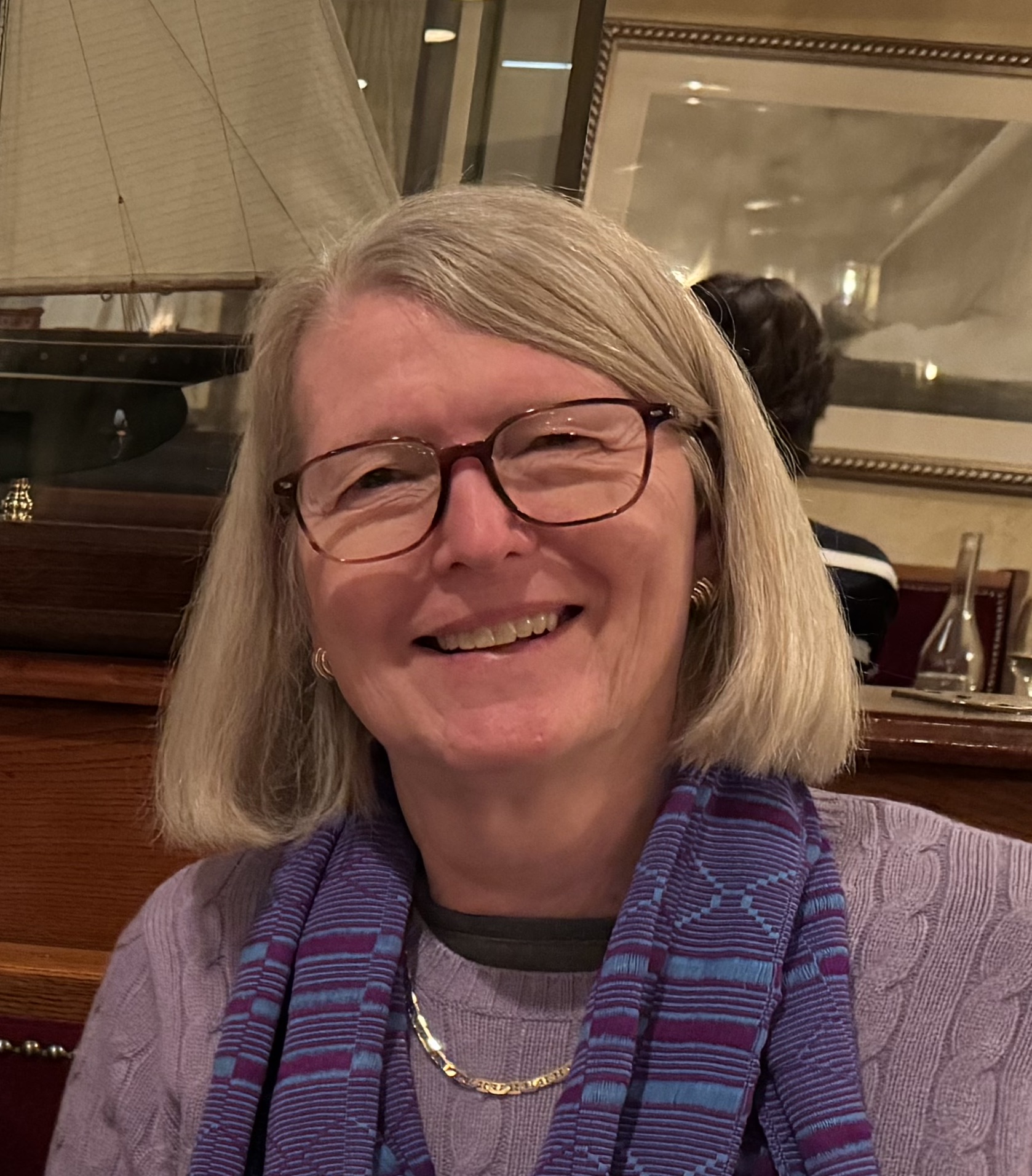
Kate McCurdy is the mother of a son with Barth syndrome, an ultra-rare genetic disorder. She is one of the five founders of of the Barth Syndrome Foundation in 2000 and now serves as the organization’s Board Chair. Though an MBA by training, Kate was responsible for establishing the global Science and Medicine programs of the organization, and she served ex officio on the group’s Scientific and Medical Advisory Board for most of the time since the beginning. Unfortunately, her son succumbed to the disease at age 28, but her dedication to the foundation’s mission continues.
 FDA Watch Podcast